Fidelio
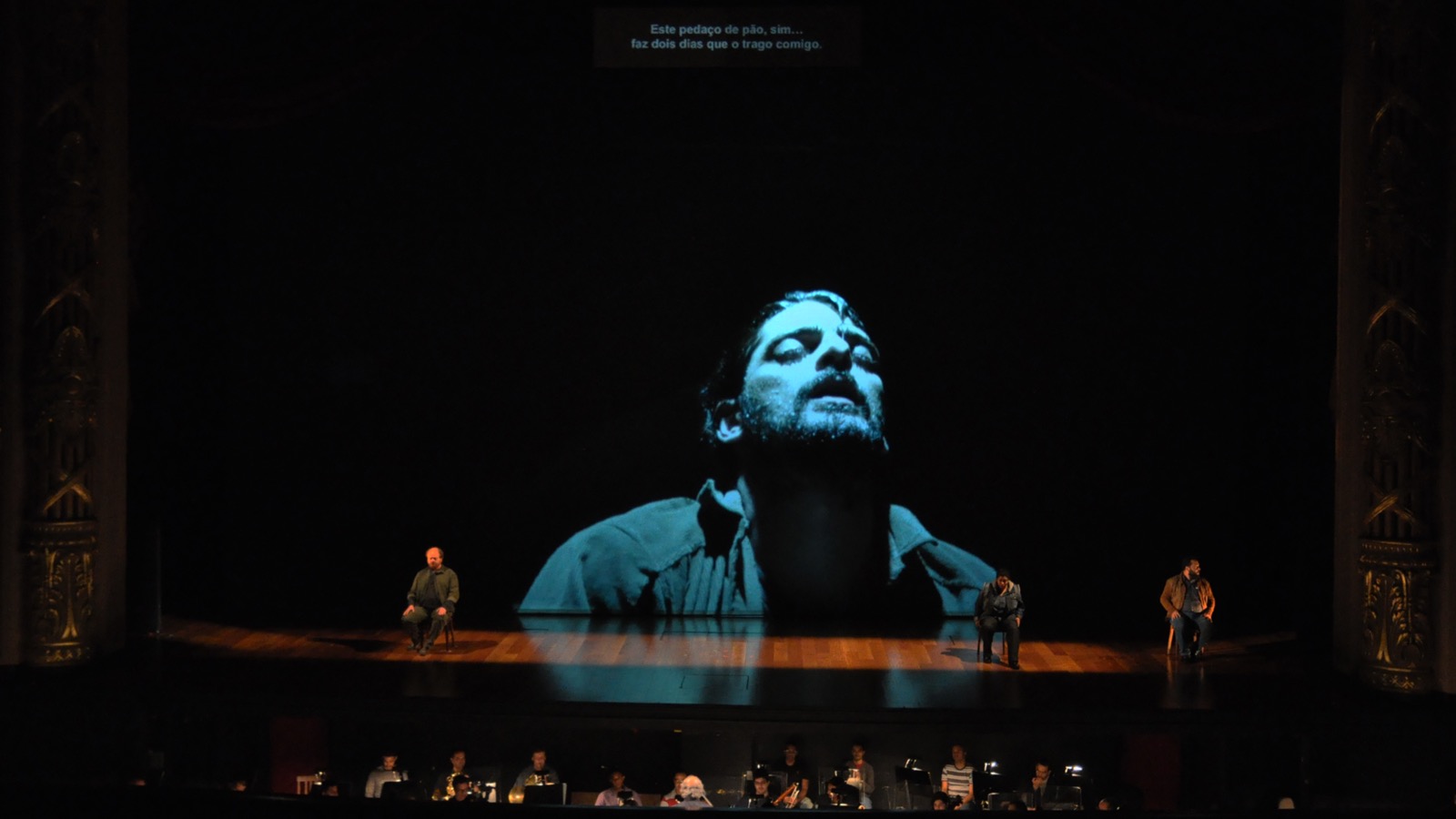
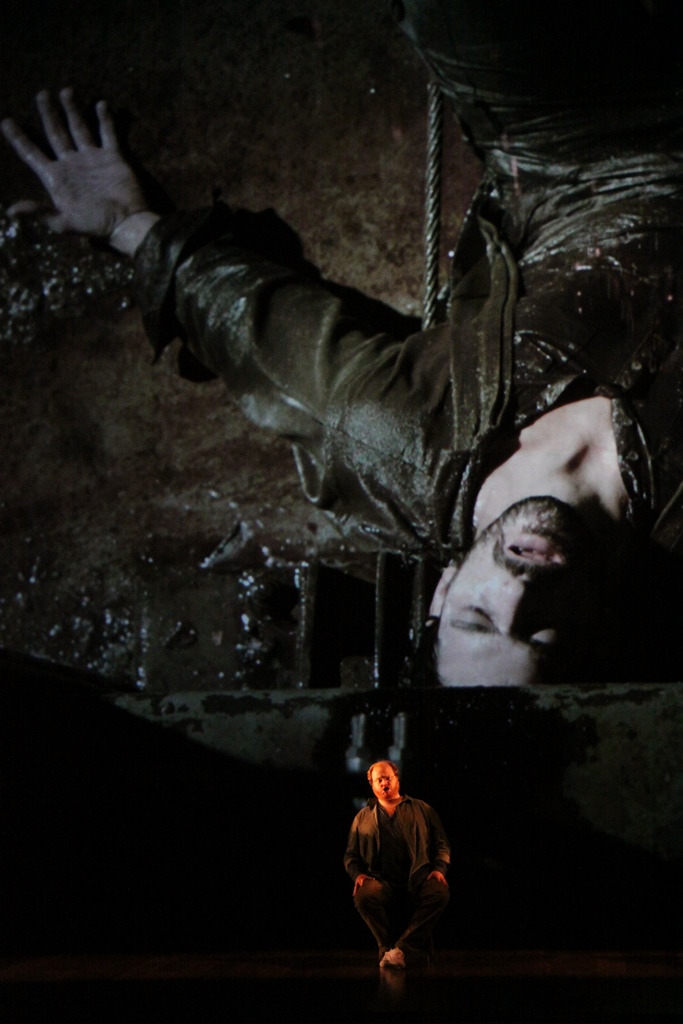
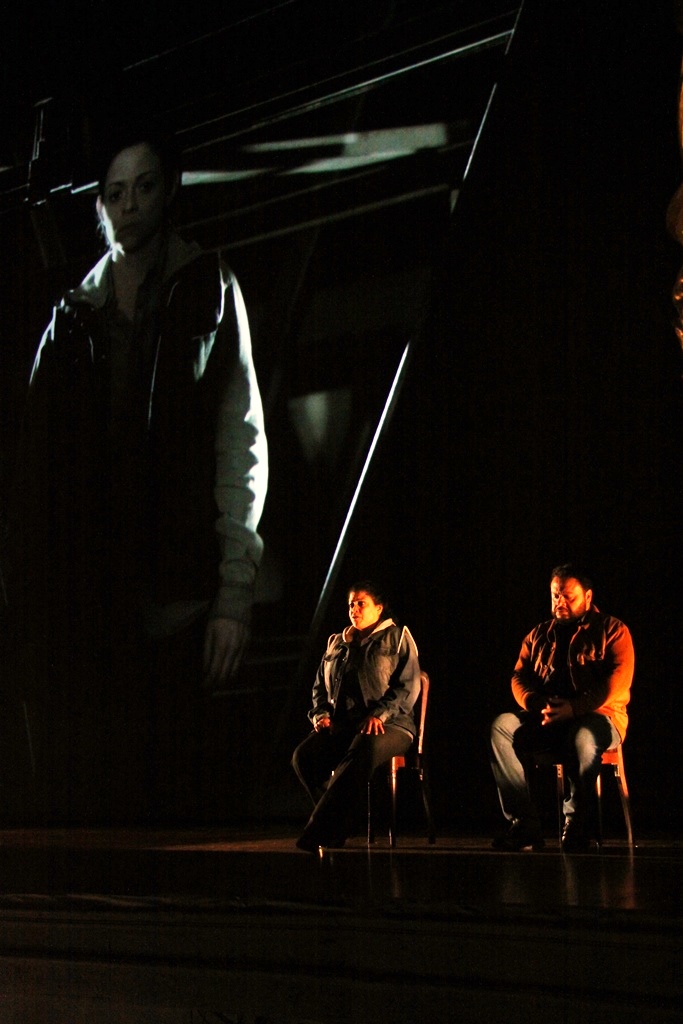
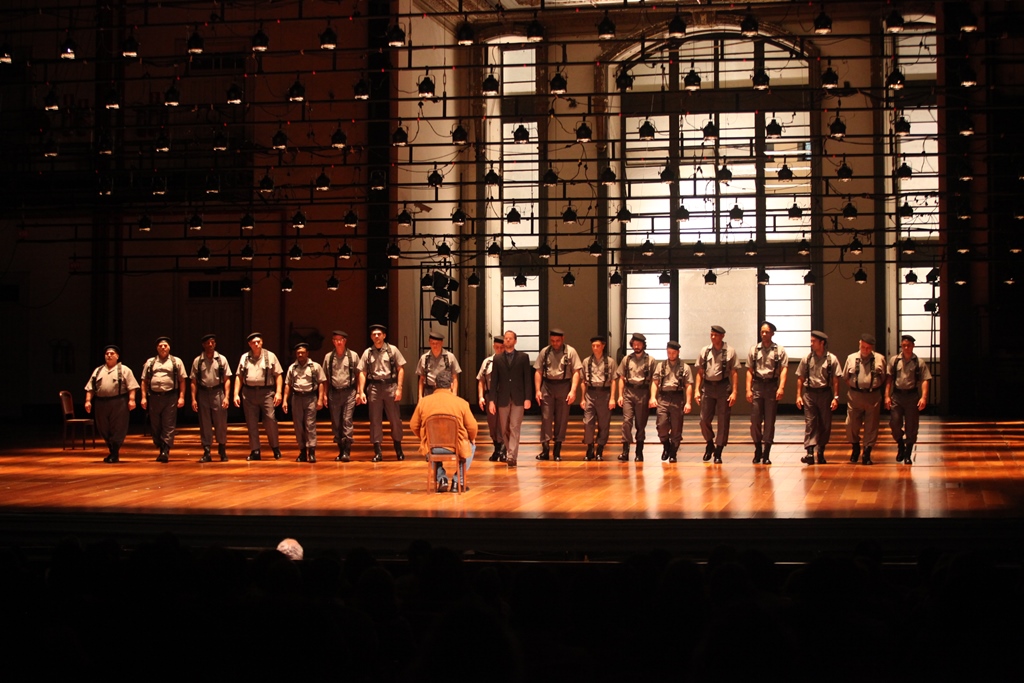
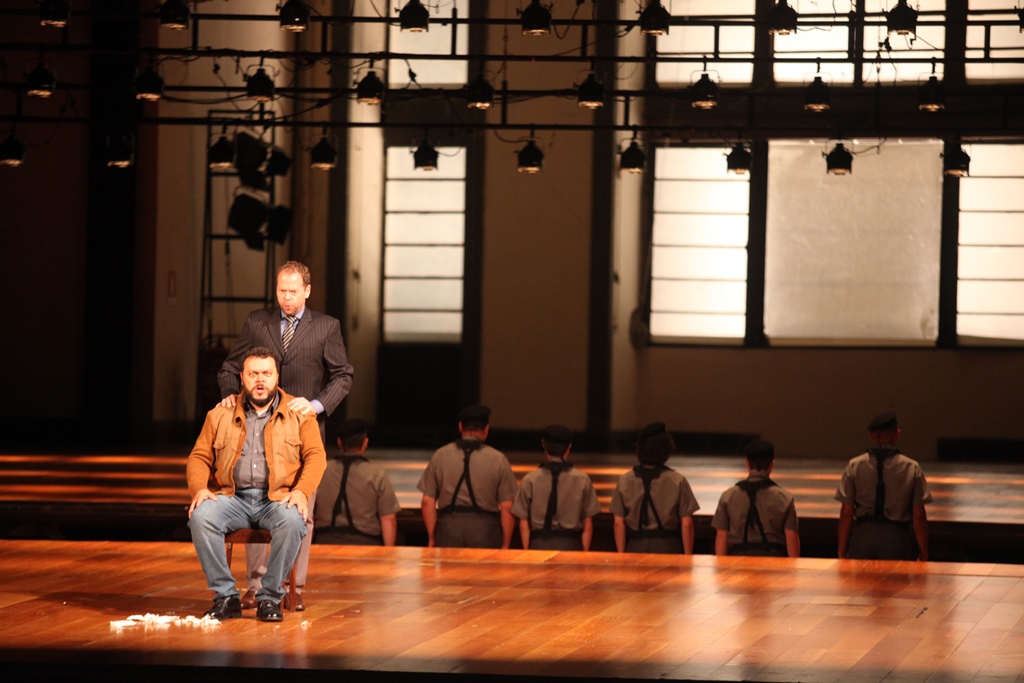
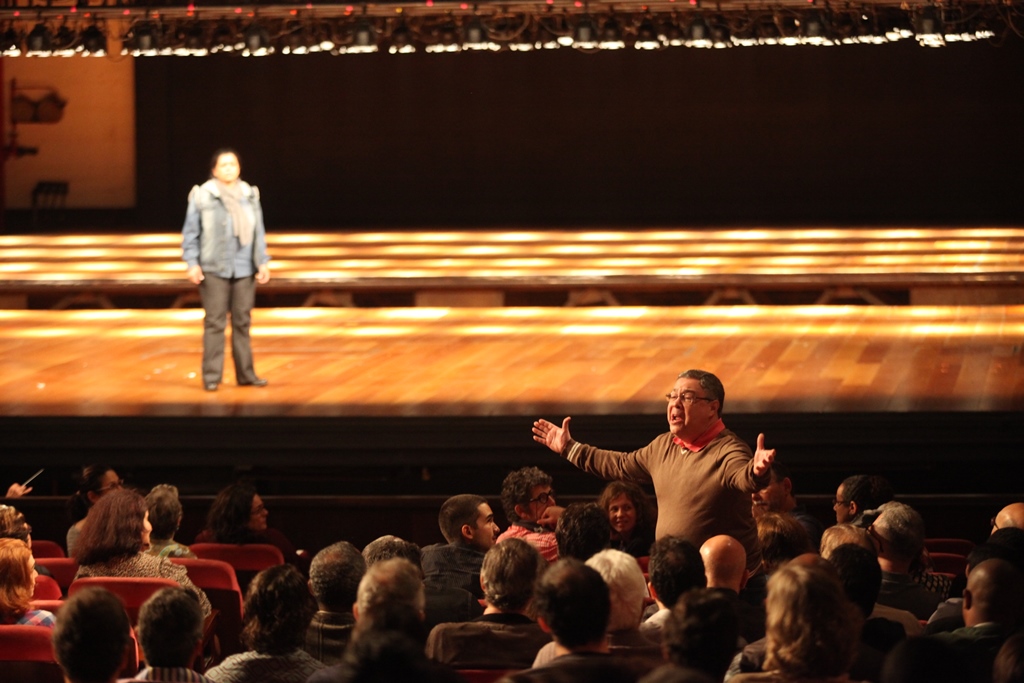
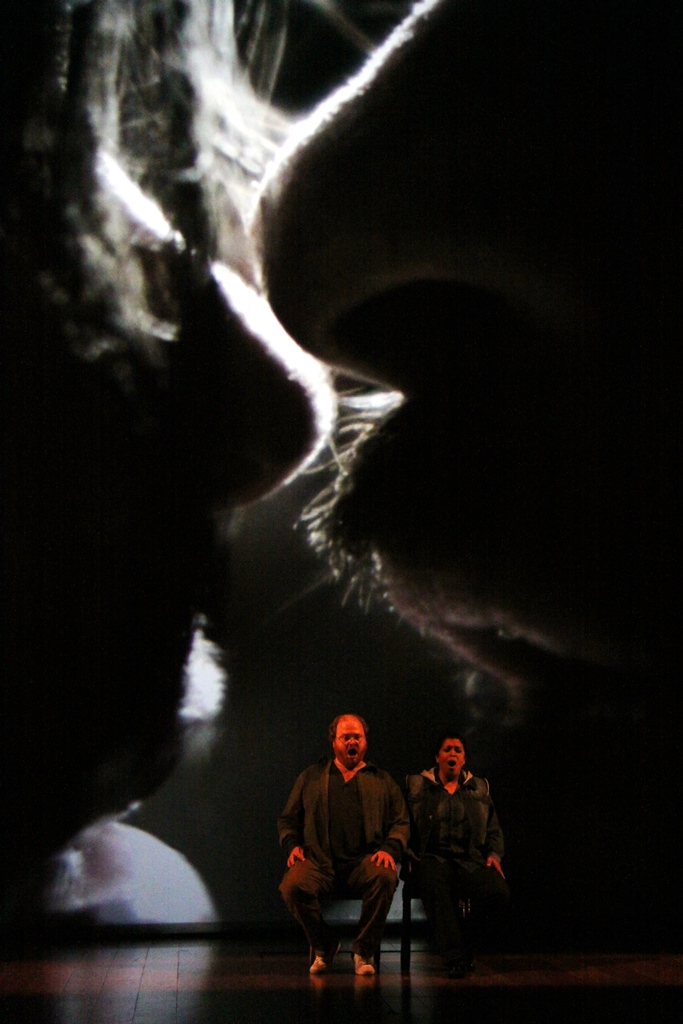
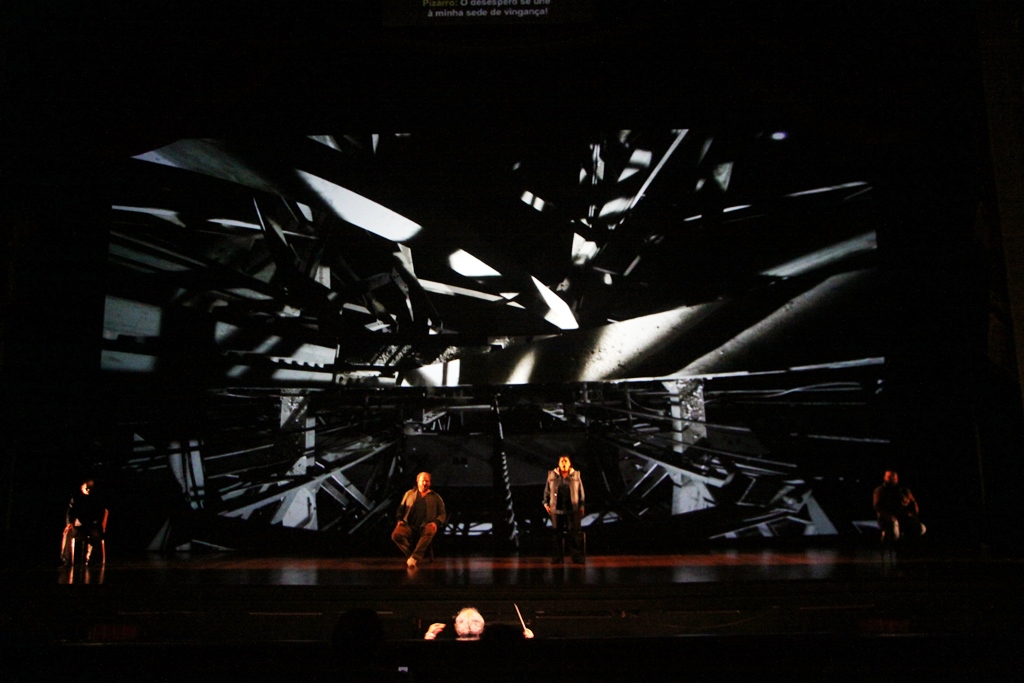
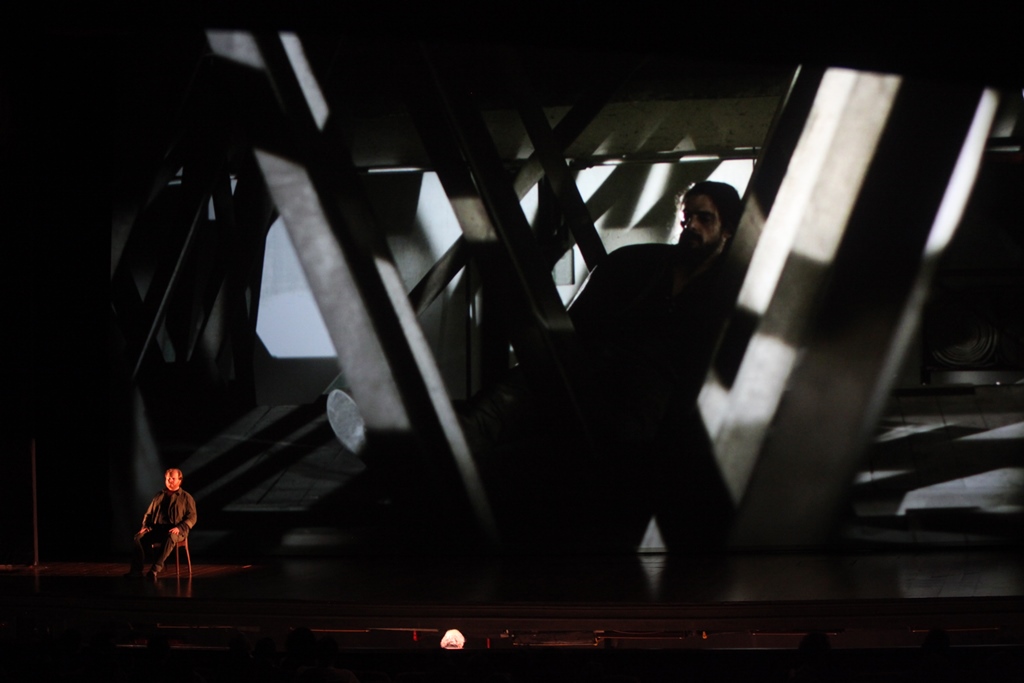
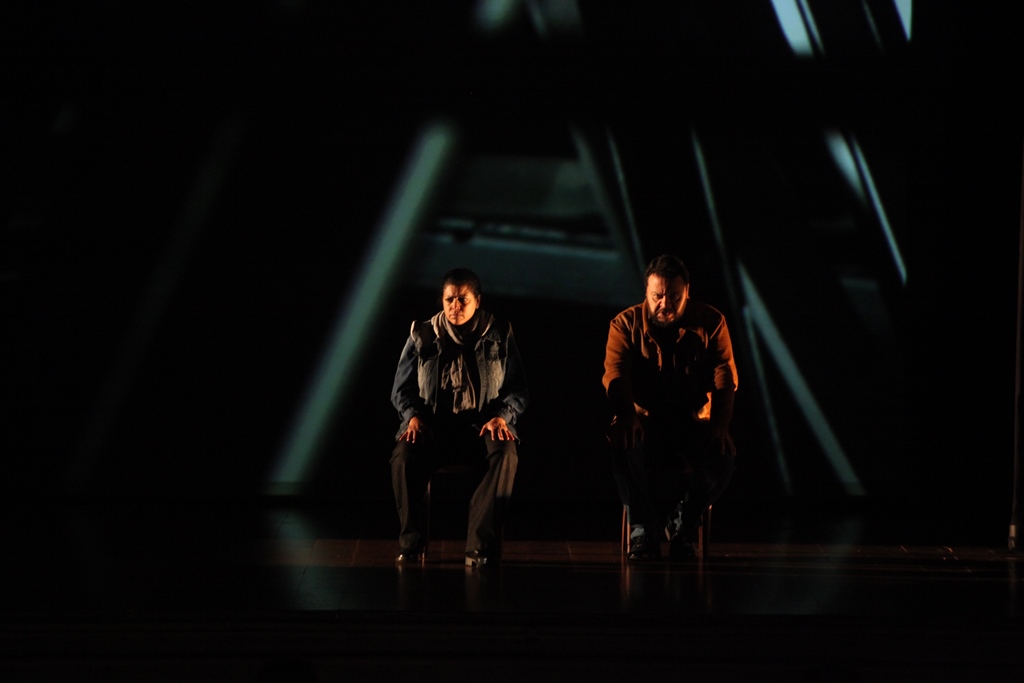
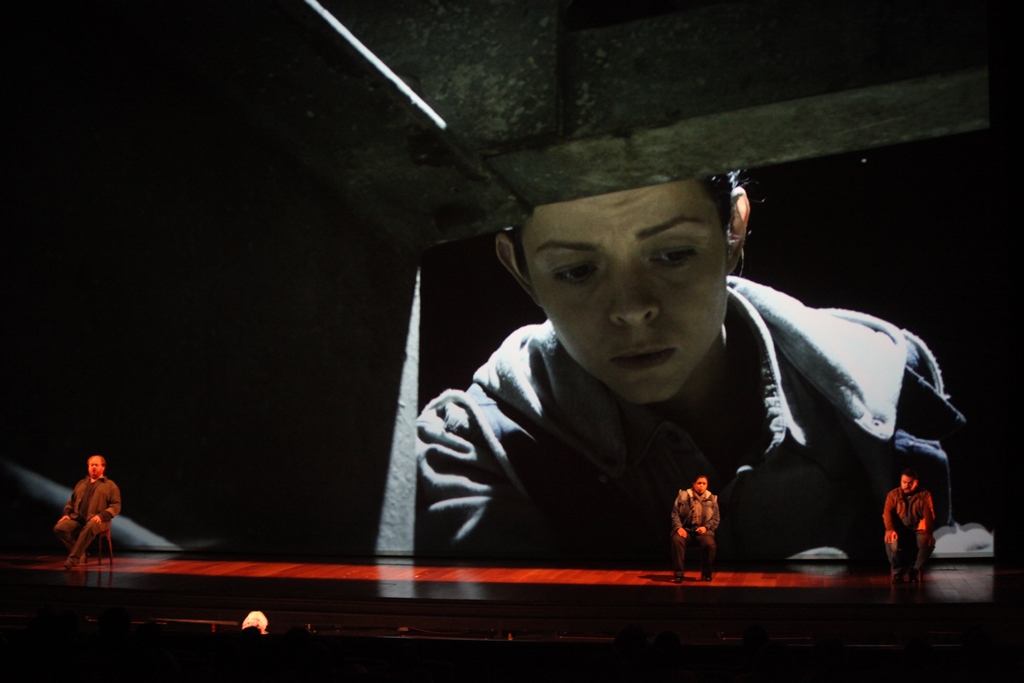
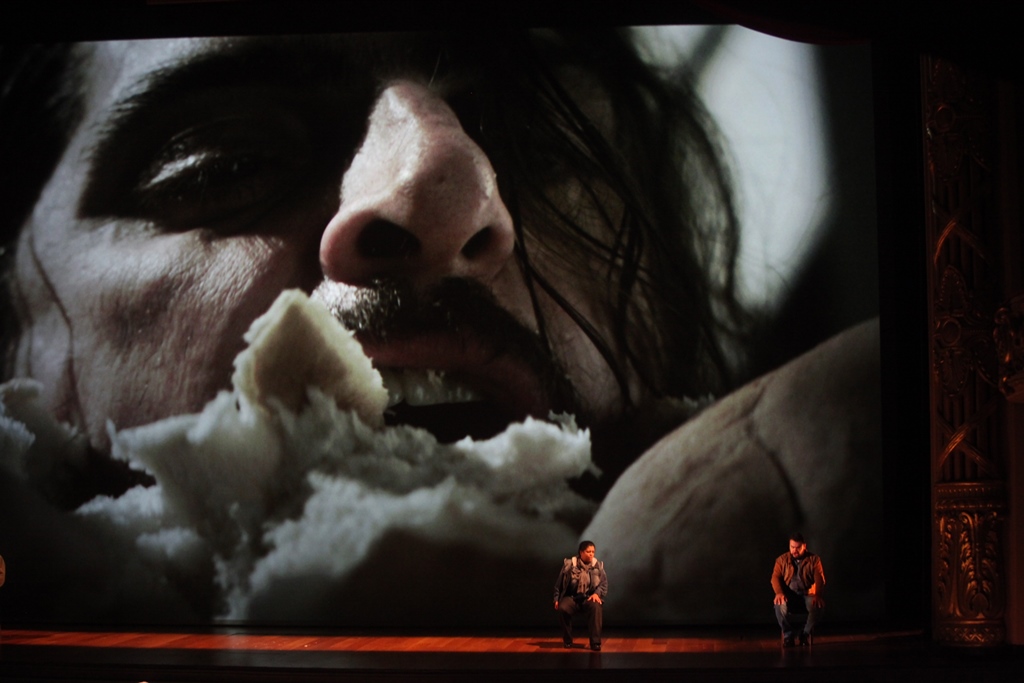
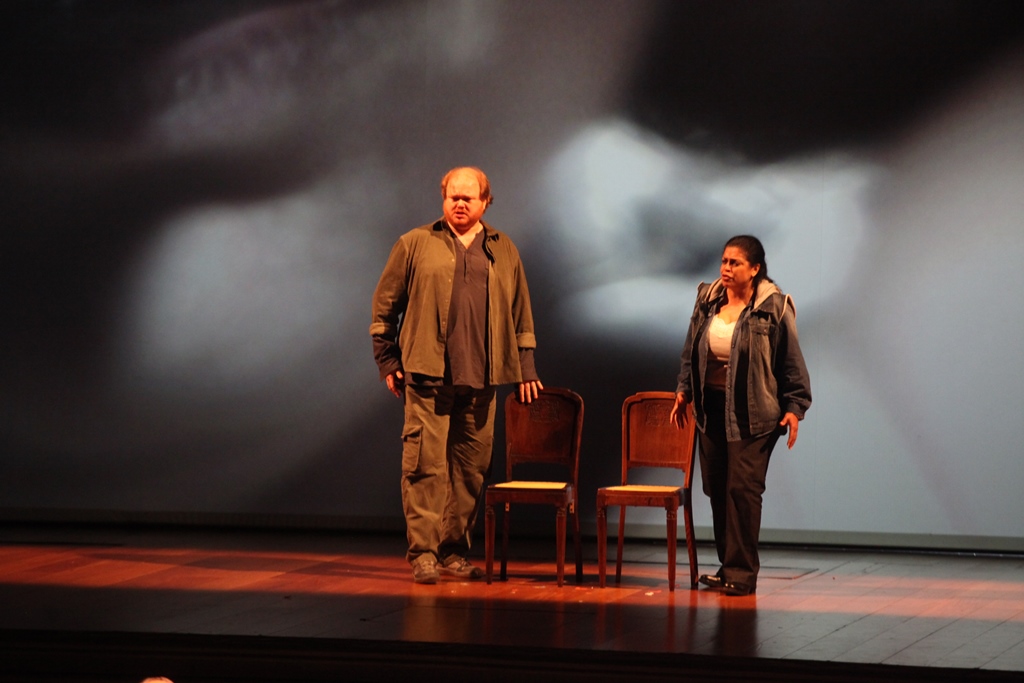
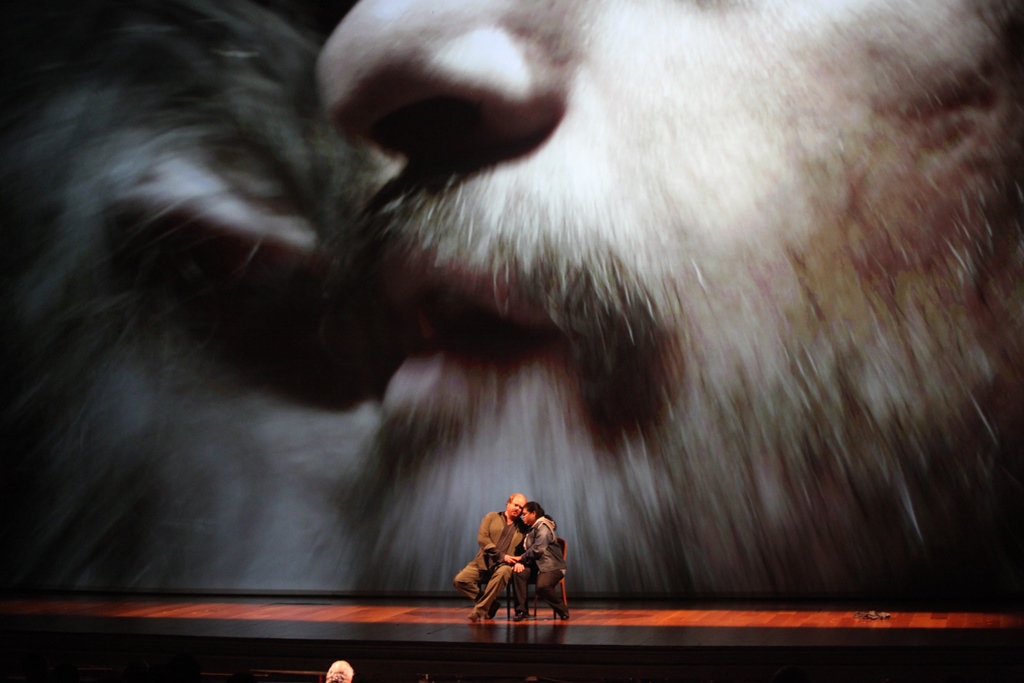
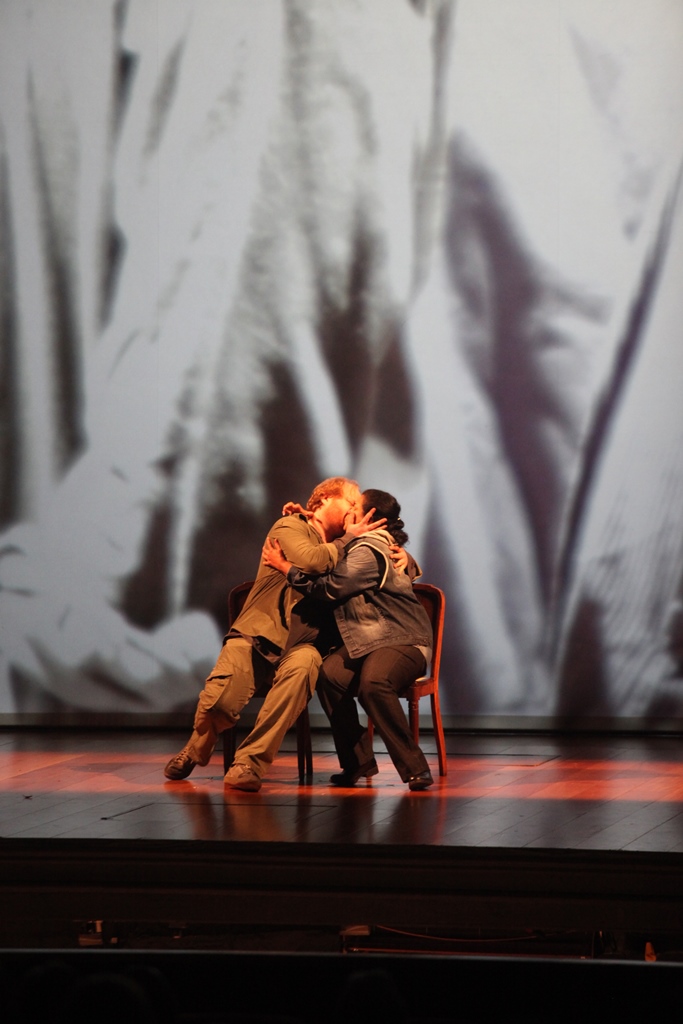
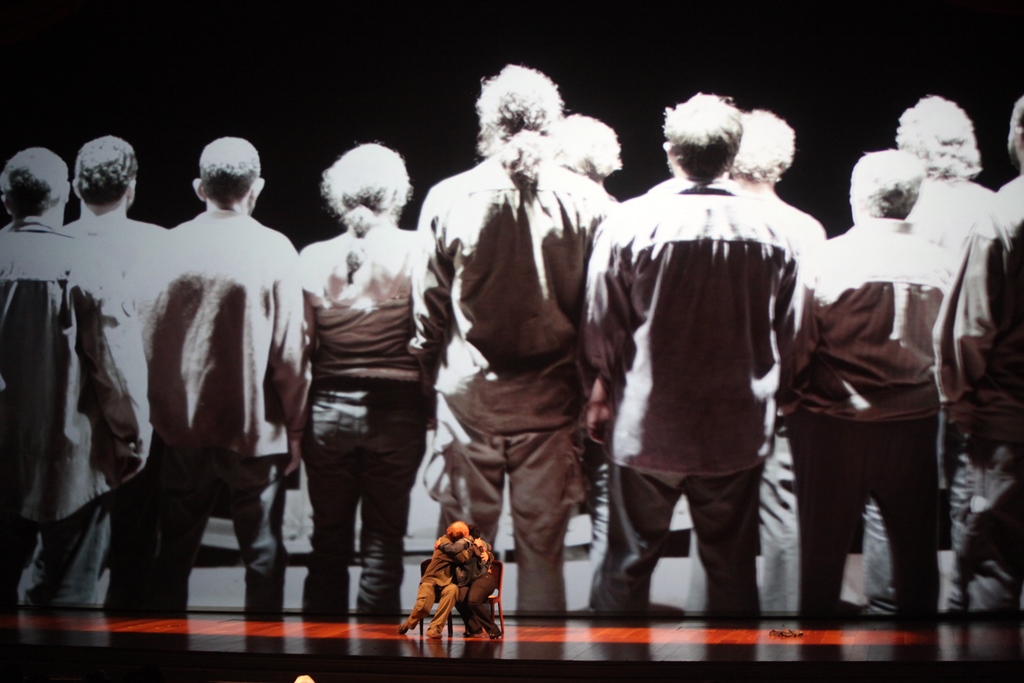
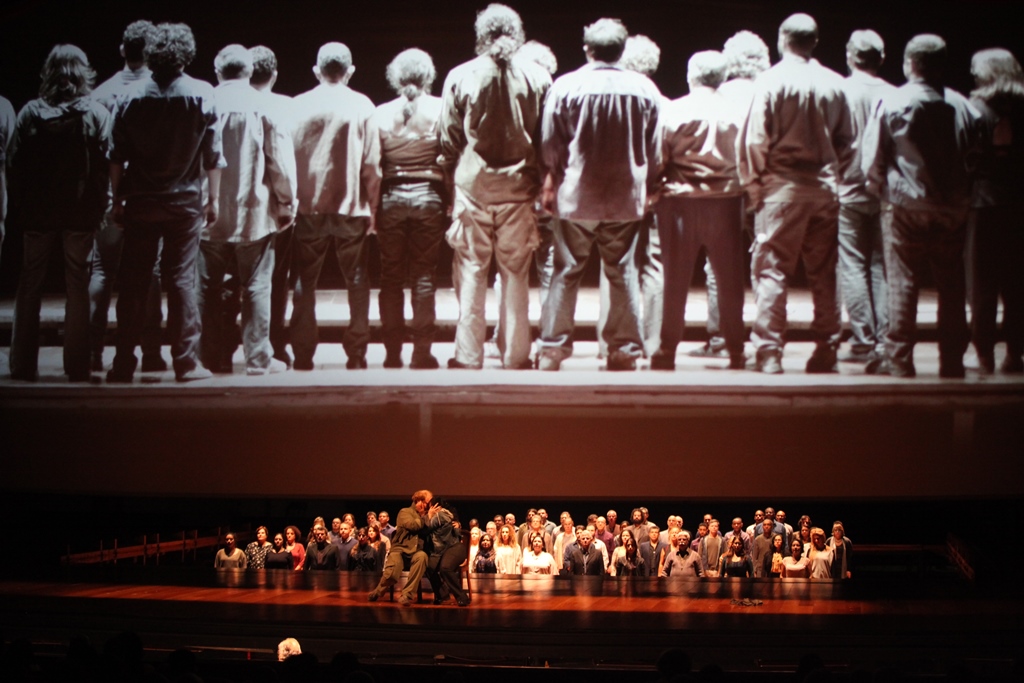
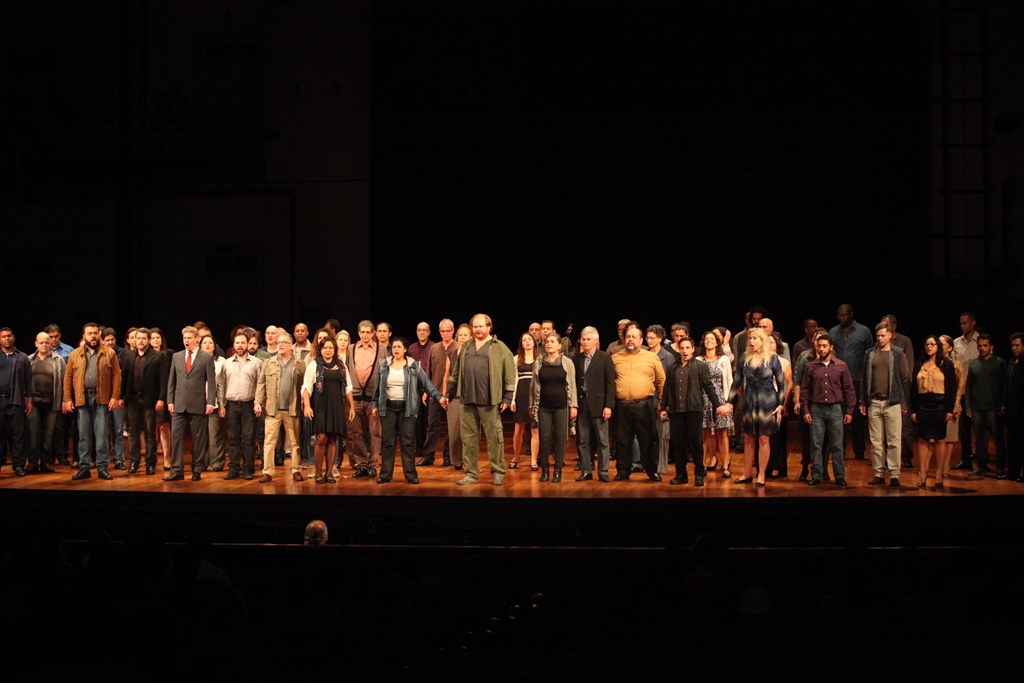
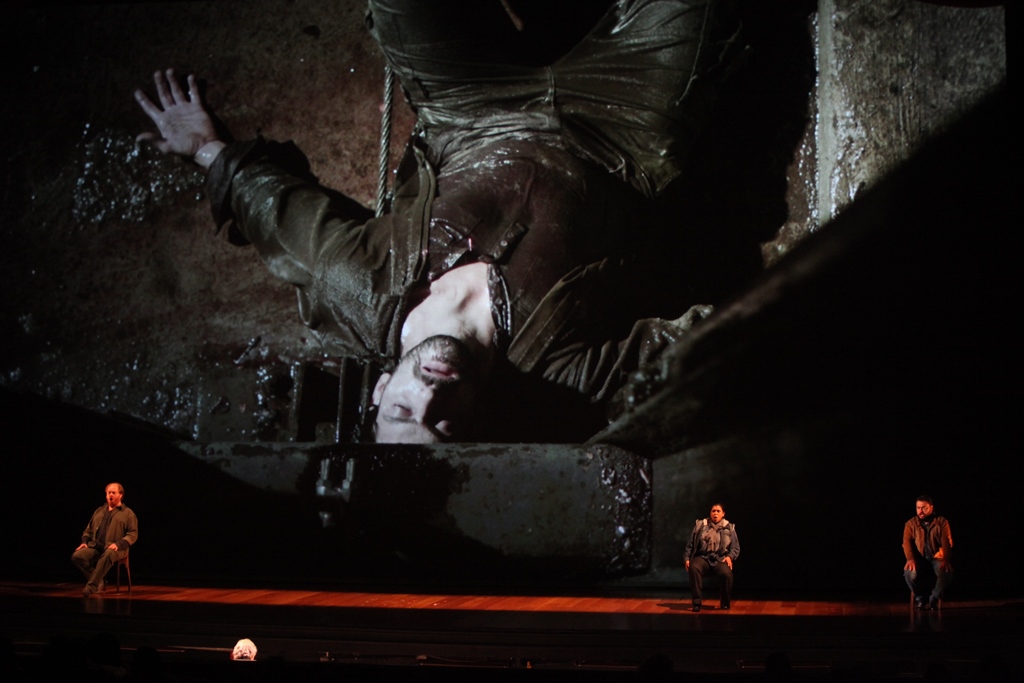
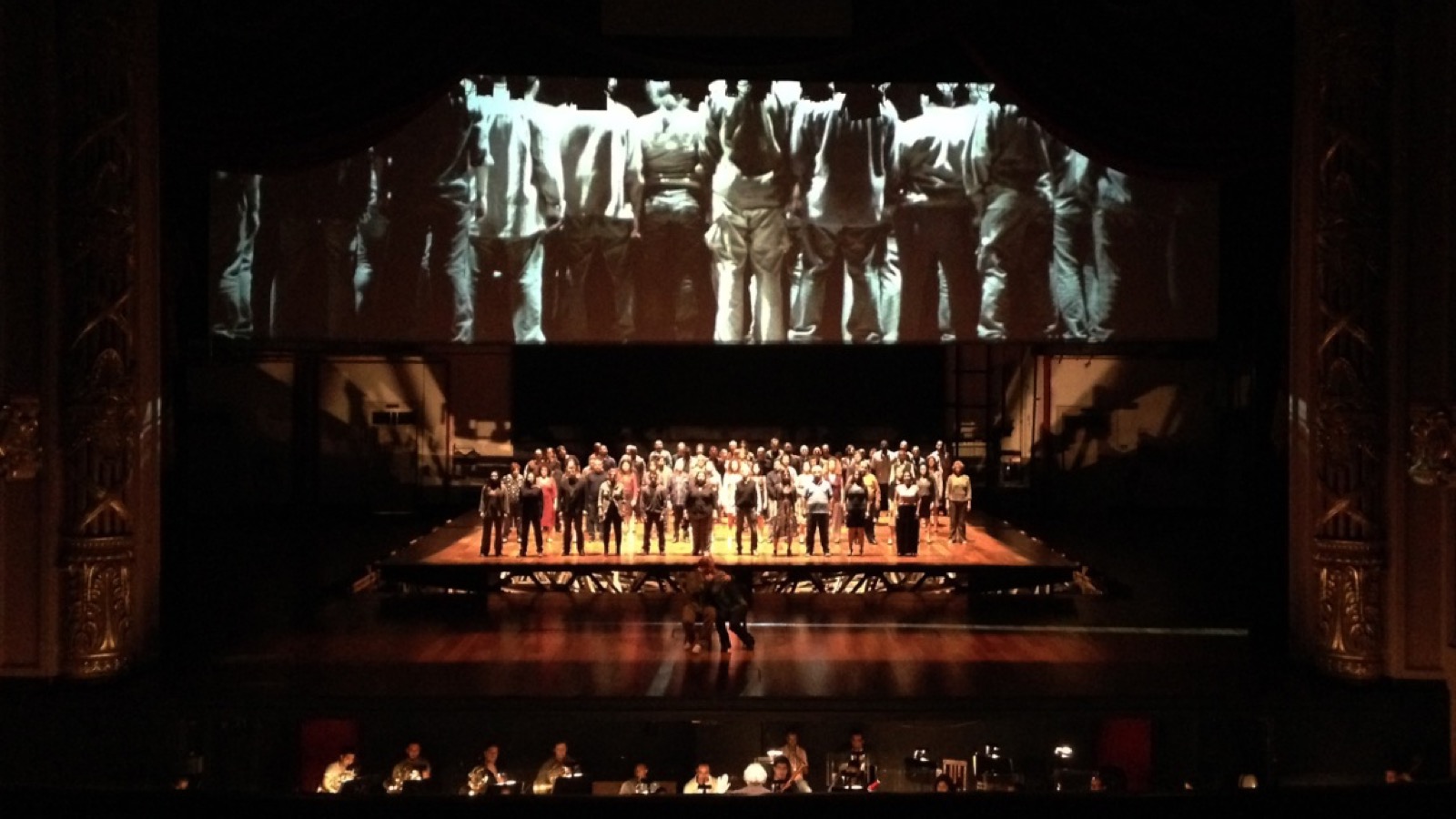
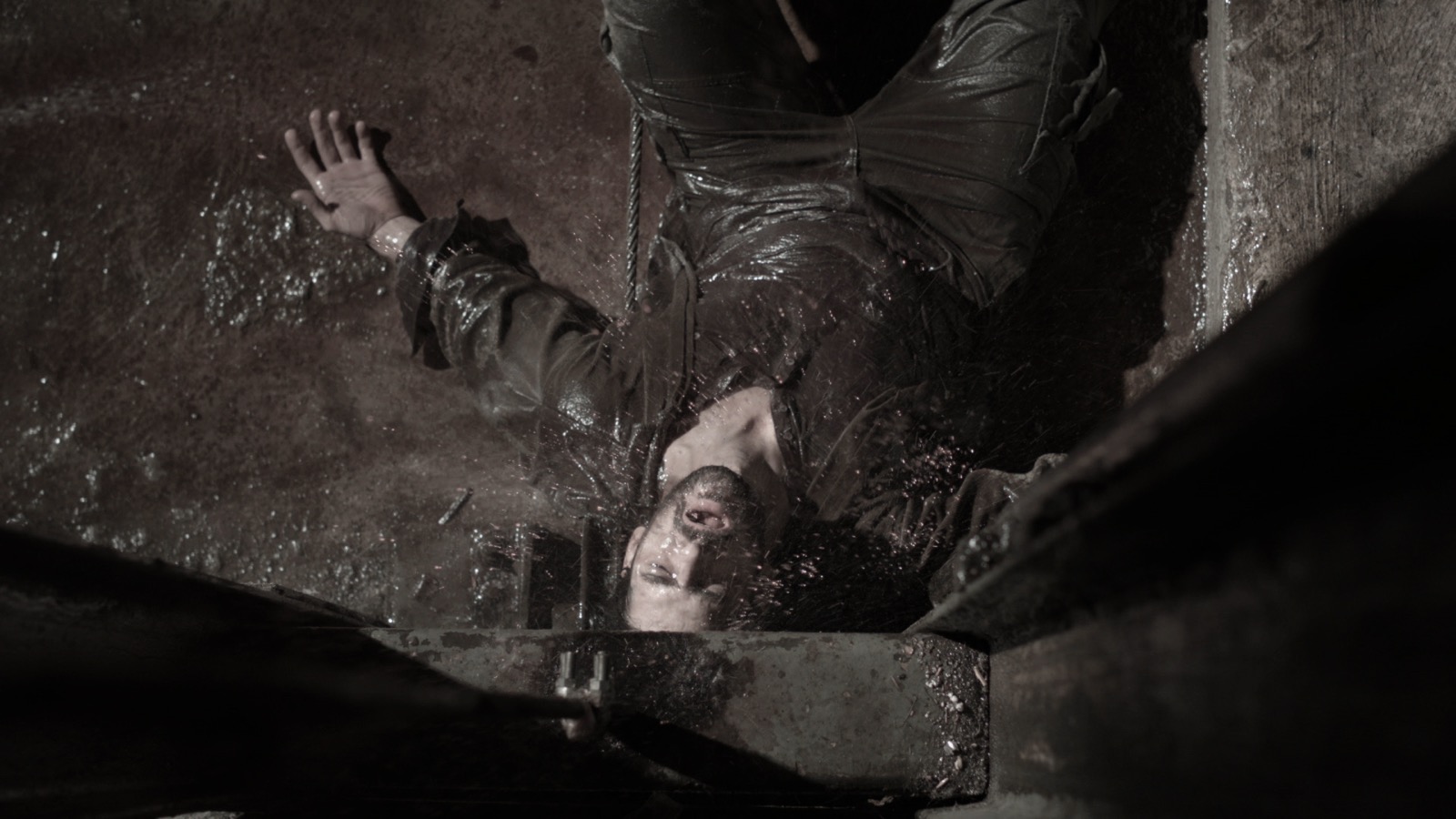
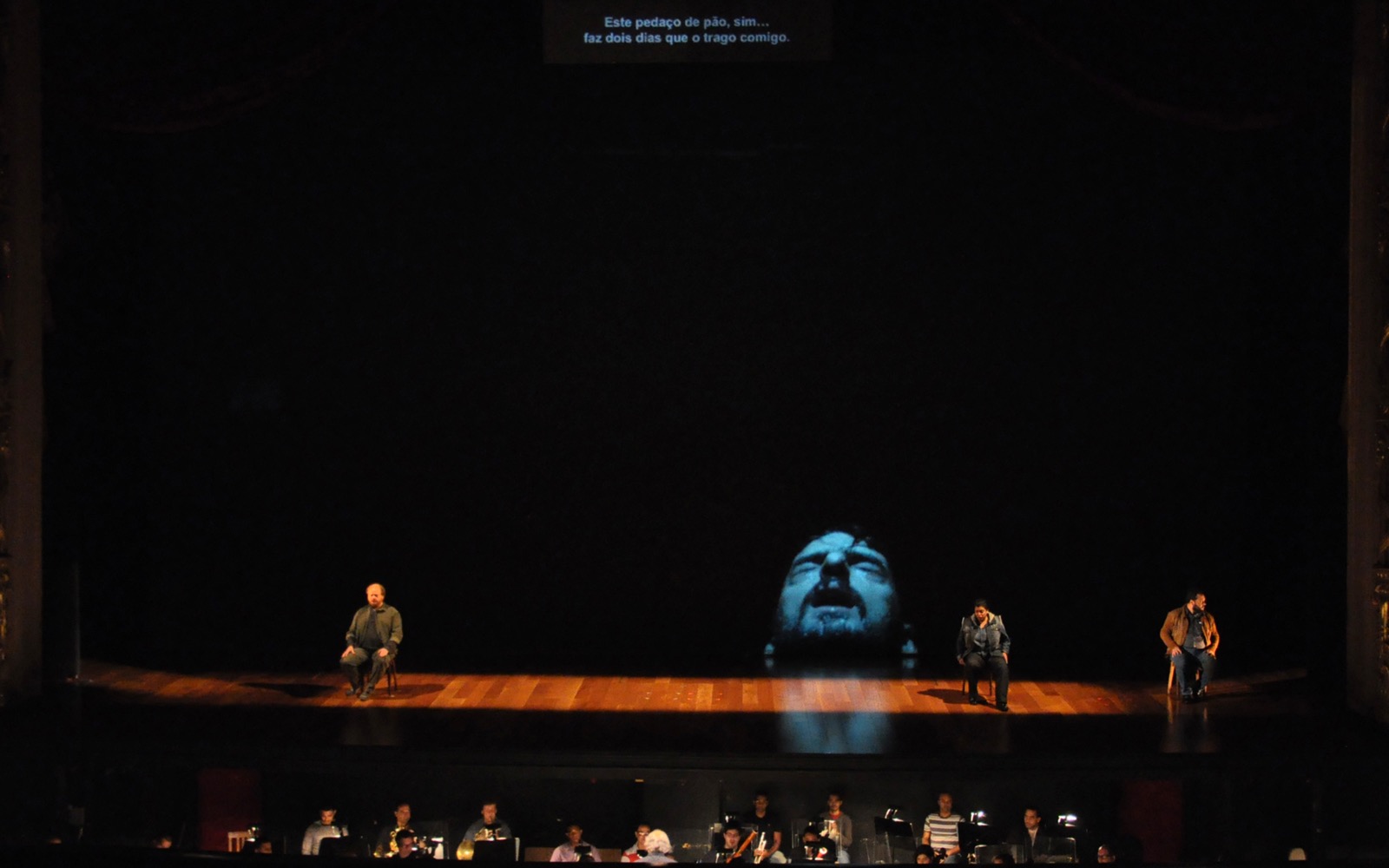
For her first opera, Christiane Jatahy created Fidelio – Beethoven’s only opera – at the Theatro Municipal in Rio de Janeiro in 2015, combining the live performances of the singers on stage with a film, prerecorded in the impressive understage machinery of the theater.
Fidelio is a political opera. It deals with the injustice of keeping political prisoners in jail, the mixture of personal relationships with power relations, and the struggle of a woman to rescue her missing husband.
Beethoven premiered this work in 1805, it could have been yesterday, it could have been today. We are still living these same questions 210 years later. Putting on this opera, as well as bringing the breathtaking beauty of Beethoven’s music to the public, can also be a way of saying that we don’t have to write the same story again tomorrow. We can do it differently. That’s why Fidelio is a contemporary version that takes place today, here in this theater.
(Christiane Jatahy in the program notes for the TMRDJ performances)
Christiane Jatahy’s Fidelio approaches the rawness of history to make room for the beauty of Beethoven’s music and the mastery of conductor Isaac Karabtchevsky. The proper theater is the setting for the opera. As if the theater were a metaphor for our world; of lights and shadows, of what is seen and what lies beneath and we never see it. In this game of doubles, from light to dark, comes the cinema, which takes us into the bowels of the prison, into the structures of the stage.
In the film part actors play the characters from the opera in the movie, to generate other visions of the characters in this story, other layers; doubling, tripling, and joining with the audience’s imagination in the construction of this world created by Beethoven at the beginning of the 19th century, but so close to the here and now.
Fidelio
Opera by Ludwig van Beethoven
Musical direction and conducting : Isaac Karabtchevsky
Stage direction and film direction : Christiane Jatahy
Soloists: Leonora – Melba Ramos, soprano
Florestan – Martin Homrich, tenor Rocco – Savio Sperandio, bass
Pizarro – Sebastian Holecek, bass-baritone
Don Fernando – Paul Armin Edelmann, bass
Marzelina – Julie Davies, soprano
Jaquino – Santiago Ballerini, tenor
Chorus and Symphony Orchestra of the Municipal Theatre of Rio de Janeiro Cinematography,
—
Camera and Editing: Paulo Camacho
Artistic Direction: Marcelo Lipiani
Costumes: Antônio Medeiros and Tatiana Rodrigues
Lighting Design: Beto Bruel
Casting: Stella Rabello, Julio Machado, Ricardo Santos and Danilo Grangheia, Supporting roles: Aléssio Abdon, Bruno Oliveira, Davi Arap, Davi Cunha, Fabrízio Bezerra, Homero Ferreira, Jean Bodin, Marcello Vilar, Rafael Crooz and Raphael Cassou
Assistant Director: Fernanda Bond
Film Assistant Director: Barbara Kahane
Film Production Objects: Paula Vilela
Costume Assistant: Alessandra Padilha
Costume Design for Actors: Raphaela Galiza
Camera Assistant: Alexandre Mizrahi
Editing Assistant: Mikair Lopes
Lighting Assistant and Light Operation: Guinga Ensá
Stage Manager: Raphael Macedo Electrician: Leandro Lopes
Video Consulting and Operation: Julio Parente
Production Assistant: Marcelo Mucida
Executive Producer: Paula Rollo
Production Director: Henrique Mariano